치아교정, 언제 시작하고 어떻게 관리해야 할까? 성장기와 성인 교정 치료 가이드
치아교정은 단순히 치열을 가지런하게 만드는 것을 넘어서, 구강 건강과 안모 개선을 동시에 추구하는 중요한 치료 중 하나입니다. 치아 배열이 고르지 않거나, 위아래 치아가 제대로 맞물리지 않는 부정교합이 있다면 기능적인 불편뿐만 아니라 심미적인 스트레스까지 초래될 수 있습니다.
교정 치료를 고려할 때는 전문 치과의사와의 충분한 상담을 통해 개인의 구강 구조와 상태에 맞는 맞춤형 치료 계획을 수립하는 것이 핵심입니다.
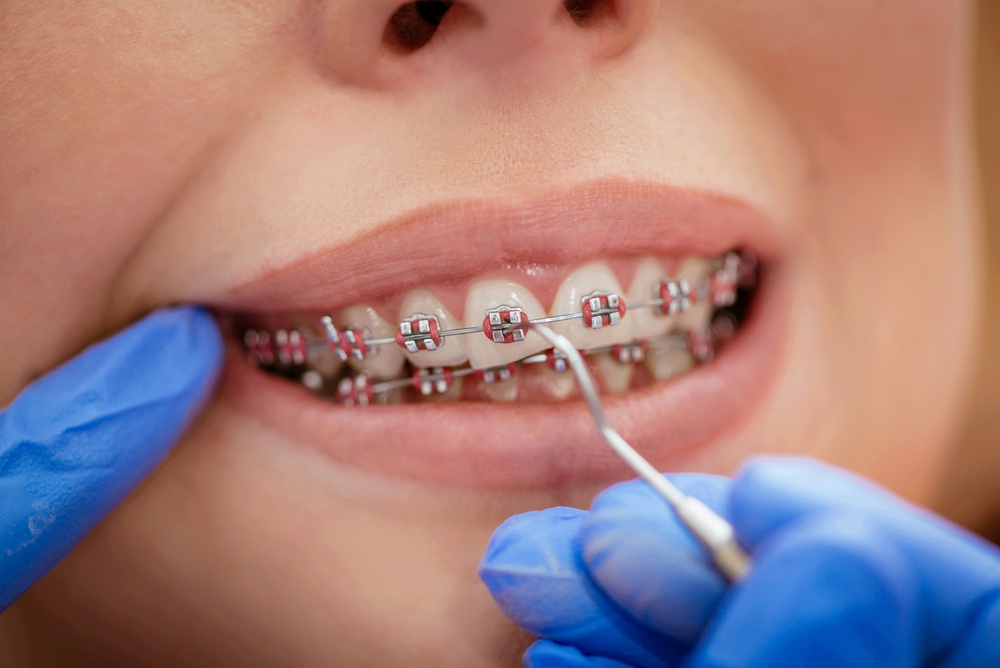
치아교정이 필요한 경우와 주요 고려사항
치아교정은 치아가 지속적인 외력에 의해 점진적으로 이동하는 생리적 반응을 활용하는 치료입니다.
치열이 고르지 않거나 부정교합이 있는 경우뿐 아니라, 턱뼈 구조의 이상, 코골이, 수면 무호흡 같은 기능적 문제가 동반될 때도 고려해야 할 치료법입니다.
많은 분들이 교정 시작을 망설이는 이유는 치료 과정이 오래 걸리고 복잡하며, 비용 부담도 크다고 느끼기 때문입니다. 그러나 방치할 경우 더 큰 문제로 이어질 수 있으므로, 조기 진단이 중요합니다.
치아교정은 단순히 보이는 부분만 교정하는 것이 아닙니다. 턱관절, 치조골, 잇몸, 그리고 호흡 통로인 기도 등까지도 영향을 받는 전신적인 변화를 동반할 수 있습니다.
특히 부정교합은 음식물 섭취가 불편해지거나, 정확한 발음에 어려움을 주는 원인이 되기도 합니다.
교정치료의 작용 원리와 주의할 점
교정 치료 중 치아는 치근 방향을 따라 서서히 이동하게 되며, 이때 앞쪽의 잇몸뼈는 흡수되고 뒤쪽에는 새 뼈가 형성되어 자연스러운 위치 이동이 이뤄집니다.
하지만 이 과정에는 시간차가 존재하기 때문에, 뿌리와 잇몸뼈 사이에 틈이 생겨 일시적인 흔들림이 발생할 수 있습니다.
일부 환자들은 교정 초기에 딱딱한 음식을 씹기 어렵거나 잇몸이 약해졌다고 느끼지만, 이는 대부분 일시적인 현상이며 수개월 내로 점차 안정됩니다.
이는 치료 과정 중 나타날 수 있는 정상적인 반응이며, 잘못된 시술에 의한 부작용은 아닙니다.
성장기 vs 성인 교정: 언제 시작하는 게 좋을까?
성장기에는 골세포의 재생이 활발하여 치아이동이 빠르고 통증도 적으며, 비발치 교정이 가능할 확률도 높습니다.
반면 성인의 경우 잇몸 조직이 얇아져 시린 증상이 쉽게 발생하고, 골 재형성이 느려 치료기간이 길어질 수 있으며 발치가 필요한 경우가 많습니다.
성장기 치아교정은 턱뼈의 성장을 유도해 조화로운 얼굴형을 만드는 데 도움을 줄 수 있지만, 성인의 경우 이미 얼굴 골격이 완성된 상태이므로 눈에 띄는 안모 변화는 기대하기 어렵습니다.
치료를 시작하기 좋은 시기는 영구 앞니가 나는 시점인 만 7~8세 사이입니다. 이 시기에 1차 검진을 통해 조기 교정 여부를 판단하고, 경우에 따라 초등학교 고학년에 본격적인 치료를 시작할 수 있습니다.
치아 이동 속도만 고려할 경우 교정 치료 기간은 평균적으로 1년 반에서 2년 정도 소요됩니다.
다음과 같은 경우라면 반드시 교정 상담을 받아보는 것이 좋습니다:
유치 앞니가 빠진 후 3개월 이상 영구치가 올라오지 않음
앞니 사이 간격이 2mm 이상 벌어져 있음
위아래 앞니가 전혀 닿지 않음
아래 앞니가 튀어나와 윗입술을 밀어냄
이 외에도 턱뼈 성장이 불균형할 경우, 치아가 겹치거나 바깥으로 밀려 날 수 있습니다.
이럴 때는 턱뼈 성장을 유도해 비발치로 자연치아를 보존할 가능성도 높이므로, 조기에 치과 상담을 받는 것이 바람직합니다.
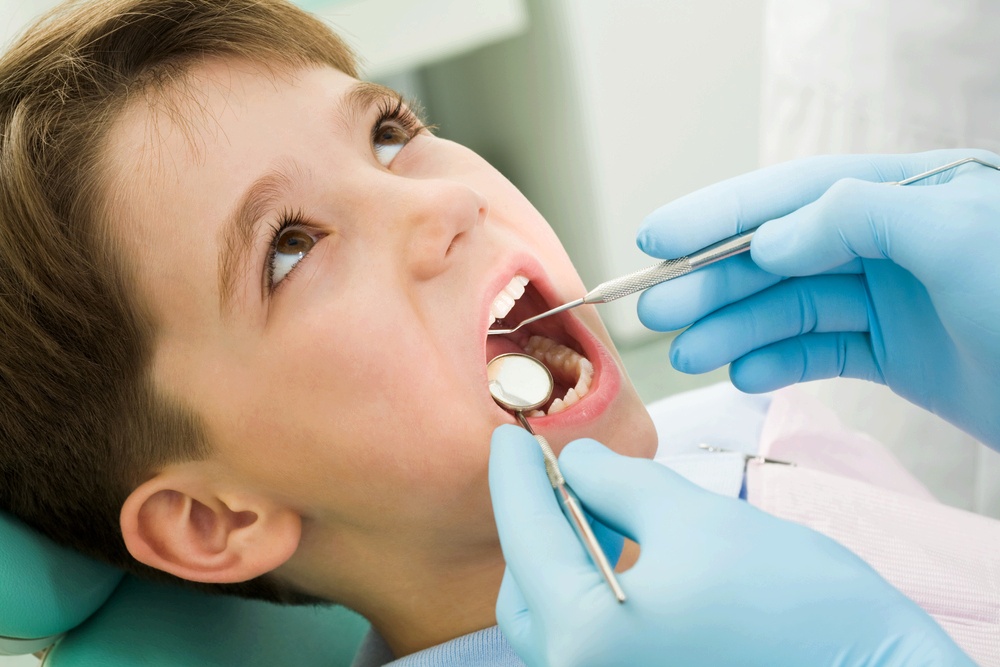
교정 장치 관리와 치료 후 주의사항
돌출이 심한 경우, 어린이에게는 송곳니 뒤쪽 소구치를 발치해야 할 수 있습니다.
하지만 이 시술은 사춘기 이전에 너무 이르게 진행하면 안모가 납작해질 수 있어 성장 상태에 맞는 타이밍이 중요합니다.
교정 장치는 구조상 음식물이 잘 끼기 때문에 양치질을 더욱 철저히 해야 하며, 교정기 제거 후에도 주변 근육과 섬유조직이 치아를 밀어내는 힘이 작용합니다.
이로 인해 치료 전 상태로 돌아가지 않도록, 유지장치를 지속적으로 착용하는 것이 매우 중요합니다.
교정 장치 선택은 단순히 미용적인 요소뿐 아니라 환자의 구강 상태에 맞는 장치를 고르는 과정이므로, 반드시 의료진과 상담 후 결정해야 합니다.
또한 치료 중에는 충치와 잇몸질환 예방을 위해 정기적인 치과 검진, 불소도포, 구강위생 관리가 필수적입니다.
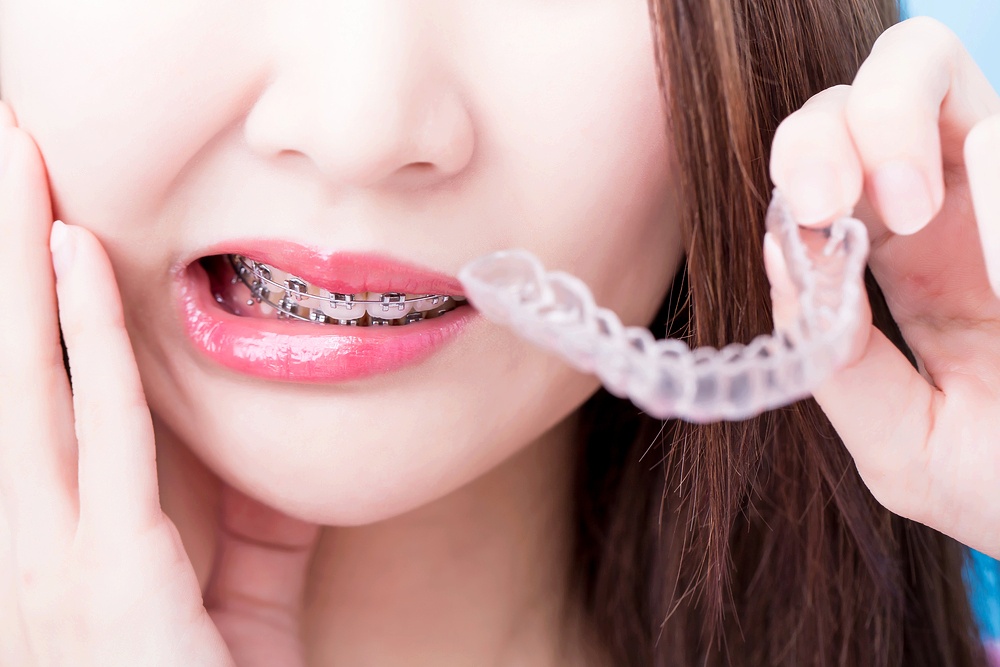
Orthodontic Treatment: When to Start and How to Manage It – A Complete Guide for Children and Adults
Orthodontic treatment is more than just straightening teeth—it's a comprehensive process that enhances both oral function and facial aesthetics. Misaligned teeth or improper bite alignment can lead to various issues, including discomfort during chewing, speech difficulties, and reduced confidence in one’s smile.
Before beginning any orthodontic treatment, it's essential to consult with an experienced orthodontist to create a personalized plan tailored to your dental and skeletal structure.
When Is Orthodontic Treatment Necessary?
Orthodontics works by applying gentle and consistent pressure to teeth, guiding them into better alignment over time. This method is commonly used when teeth are overcrowded, crooked, or if the bite is not aligned properly.
In some cases, jawbone abnormalities, snoring, or sleep apnea may also warrant orthodontic intervention. These issues often require a comprehensive evaluation by a dental professional.
Many people delay starting treatment due to concerns about the length of the process, its complexity, or the cost involved. However, postponing necessary care can lead to more serious oral health problems in the future.
Orthodontics doesn't just affect teeth—it also impacts the jaw joint, gum tissues, alveolar bone, and even the airway. Malocclusion (misaligned bite) can reduce chewing efficiency and cause difficulty with pronunciation.
How Orthodontic Treatment Works and What to Expect
During treatment, teeth shift in a controlled direction. As they move, the bone in front of the tooth root is resorbed, and new bone forms behind the tooth, allowing the tooth to relocate smoothly.
Because these bone changes happen at different speeds, patients may experience temporary looseness in the teeth.
Some patients report gum sensitivity or difficulty chewing hard foods shortly after braces are applied. This is a normal and temporary reaction, not a complication or result of poor treatment. Most discomfort subsides after a few months.
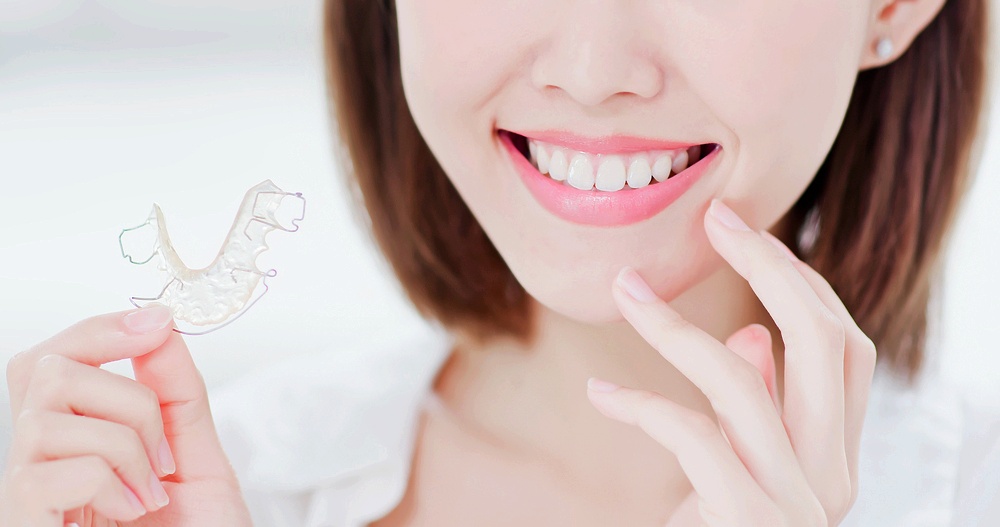
Early vs. Adult Orthodontics: Which Is Better?
Orthodontic treatment is possible at any age, but starting during childhood or adolescence is generally more effective.
This is because bone cells are more active during growth periods, making tooth movement faster and less painful. There’s also a higher chance of non-extraction treatment and fewer side effects like tooth sensitivity.
For adults, the regeneration of bone is slower, and the gums tend to become thinner with age. This can increase the likelihood of discomfort or root resorption, and in some cases, tooth extraction may be necessary to make room for alignment.
Early orthodontic care can help guide proper facial growth and prevent more severe skeletal issues later in life. In contrast, adults can only expect to address lip protrusion and limited cosmetic improvements to facial structure.
The ideal time for a first orthodontic evaluation is around ages 7–8, when the permanent front teeth begin to emerge. Treatment might start immediately or be delayed until the child reaches the upper elementary grades, depending on their individual development.
On average, the treatment duration ranges from 18 to 24 months, depending on tooth movement speed and case complexity.
Warning Signs and Management Tips During Treatment
Certain early signs may indicate the need for orthodontics:
Permanent teeth haven't emerged 3+ months after baby teeth fall out
A gap of 2mm or more between front teeth
Upper and lower front teeth don't touch
The lower front teeth stick out, pushing the upper lip backward
When jaw growth is imbalanced, teeth may crowd or erupt in the wrong positions. In such cases, guiding jaw development early can enable non-extraction treatment and help preserve natural teeth.
In children with severe protrusion, the removal of premolars behind the canines may be required. However, this should be avoided before puberty, as early extraction could lead to a flattened facial profile once growth ends. Proper timing is critical.
Braces and other appliances can trap food, increasing the risk of cavities and gum inflammation. That's why rigorous oral hygiene is crucial throughout treatment. After braces are removed, muscles and soft tissues around the mouth can push teeth back to their original position.
To prevent relapse, it's essential to wear a retainer consistently after active treatment ends.
Final Thoughts: A Healthy Smile Starts with the Right Timing
Orthodontic treatment is not just for cosmetic purposes—it's a crucial step in ensuring long-term oral health and proper function.
Starting treatment at the right time, especially during childhood, can yield more predictable and effective results. However, adults can also benefit significantly from customized orthodontic care.
If you're considering braces or other orthodontic solutions, consult a certified orthodontist to explore your options. Early diagnosis and dedicated maintenance can help you achieve a healthier, more confident smile that lasts a lifetime.


