1. 젊은 층에서 증가하는 턱관절 문제
최근 들어 치과 질환 중에서도 턱관절 이상에 대한 관심이 꾸준히 커지고 있습니다. 구강악안면외과학회 자료에 따르면 턱관절 질환을 경험하는 인구가 해마다 늘고 있으며, 특히 20대와 30대에서 진료를 받는 비율이 급격히 증가하는 추세입니다. 많은 이들이 일시적인 통증으로 여기고 지나치기 쉽지만, 턱관절 문제는 적절히 관리하지 않으면 만성 통증이나 안면 비대칭 같은 2차 증상으로 이어질 수 있어 초기에 치료하는 것이 무엇보다 중요합니다.
2. 턱관절의 구조와 이상 증상
턱관절은 입을 열고 닫는 과정에서 사용되는 관절로, 하악골과 두개골이 맞닿는 위치에 형성되어 있습니다. 이 부위에 기능적인 이상이 발생하면 음식을 제대로 씹기 어렵고, 말을 하거나 입을 벌릴 때 통증이나 ‘딱딱’거리는 소리가 날 수 있습니다. 턱이 자주 빠지거나 입을 열 때 걸리는 듯한 느낌이 반복된다면 턱관절 장애를 의심해볼 수 있습니다. 증상이 초기일 경우 간단한 치료로 회복이 가능하지만, 방치 시 만성 두통이나 어깨 결림, 얼굴 비대칭 등 복합적인 증상을 유발할 수 있습니다.
3. 원인과 치료 방법의 다양성
턱관절 이상은 주로 스트레스, 수면 중 이갈이, 이를 강하게 다무는 습관 등이 복합적으로 작용하여 발생합니다. 특히 밤사이 무의식적으로 턱 근육에 긴장을 주는 습관은 턱관절에 지속적인 부담을 줄 수 있습니다. 이로 인해 턱 주변 근육이 과도하게 발달하거나 좌우 비대칭이 생기며, 얼굴의 균형에도 영향을 미치게 됩니다. 장시간 이러한 상태가 지속될 경우 턱뼈 위치가 변형되는 사례도 확인됩니다. 이러한 문제를 해결하기 위해서는 약물치료나 물리치료 외에도 생활습관 교정이 병행돼야 하며, 근육의 과긴장이 주요 원인일 경우 보톡스 시술이 효과적인 대안이 될 수 있습니다.

4. 보톡스를 활용한 기능적 치료 접근
보톡스는 근육의 수축을 완화해주는 역할을 하며, 턱관절 질환에도 치료법으로 응용되고 있습니다. 턱 주위에 보톡스를 주입하면 과도하게 수축된 근육을 이완시켜 통증을 줄이고 관절의 움직임을 정상화하는 데 도움을 줄 수 있습니다. 특히 좌우 턱 근육 발달이 비대칭인 경우, 보톡스를 통해 근육 크기를 조절하여 얼굴의 균형을 맞추는 데 유용합니다. 턱 라인이 넓거나 각진 얼굴형을 가진 사람에게도 자연스러운 턱 선 변화를 기대할 수 있어 기능적인 회복과 미용적인 개선을 동시에 만족시킬 수 있습니다. 시술은 비교적 짧은 시간 내에 진행되며, 회복 기간도 짧아 바쁜 일상 속에서도 부담 없이 시행할 수 있습니다.
턱관절 통증이나 턱 근육의 불균형이 자주 느껴진다면, 단순한 일시적 증상이 아닌 턱관절 장애의 가능성을 염두에 두셔야 합니다. 이를 무시하고 지나칠 경우 얼굴 비대칭이나 만성적인 통증으로 발전할 수 있기 때문에, 조기에 전문적인 진단을 받고 적절한 치료를 진행하는 것이 중요합니다. 보톡스는 턱관절 기능 회복과 안면 균형 조절을 위한 유용한 치료 방법 중 하나로, 무리한 씹기 습관이나 스트레스로 인한 근육 긴장을 완화하는 데 큰 도움이 됩니다. 치료 전 전문의와의 충분한 상담을 통해 개인에게 맞는 정확한 시술 계획을 수립하는 것이 바람직합니다.
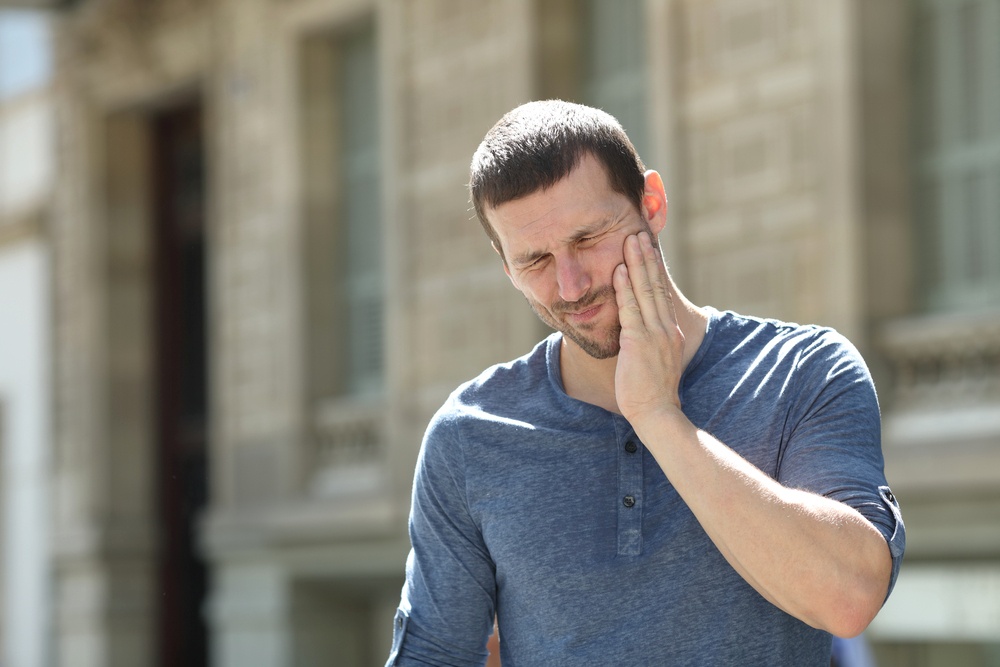
Understanding TMJ Disorders and the Role of Botox Treatment
Explore Functional and Aesthetic Solutions for Jaw Pain and Facial Asymmetry
1. Rising TMJ Issues Among Young Adults
Interest in temporomandibular joint (TMJ) disorders has been growing, especially among younger age groups. According to the Korean Association of Oral and Maxillofacial Surgeons, the number of patients with TMJ issues continues to increase annually, with a sharp rise seen in people in their 20s and 30s. Many often dismiss TMJ discomfort as temporary pain, but if left untreated, it can lead to chronic pain and even facial asymmetry, emphasizing the importance of early diagnosis and treatment.
2. Joint Structure and Common Symptoms
The TMJ connects the lower jaw (mandible) to the skull and plays a crucial role in opening and closing the mouth. When this joint is impaired, individuals may struggle with chewing or speaking and might hear clicking sounds or feel pain in the jaw. Recurrent jaw dislocation or locking sensations when opening the mouth can signal TMJ dysfunction. While early-stage symptoms may be treated easily, delayed treatment can result in headaches, shoulder pain, and facial asymmetry.
3. Causes and Treatment Options
Common causes of TMJ disorders include excessive stress, teeth grinding, and jaw-clenching habits. Nighttime jaw clenching is particularly harmful as it places constant tension on the TMJ. Over time, this can lead to hypertrophied jaw muscles and facial imbalance. Without intervention, even the jawbone structure may shift. Treatment typically involves medication, physical therapy, or occlusal adjustments. If muscle overactivity is a key issue, Botox injections may offer significant relief by relaxing overused muscles.
4. Functional Use of Botox in TMJ Management
Botox is not only a cosmetic solution but also a therapeutic tool for TMJ disorders. Injecting Botox into the jaw muscles can alleviate muscle tension, reduce pain, and restore proper joint movement. It’s particularly useful in cases of facial asymmetry caused by uneven muscle development. Additionally, patients with a broad or square jawline may benefit from a slimmer appearance after muscle relaxation. The procedure is quick, minimally invasive, and allows for rapid recovery, making it ideal for those with busy lifestyles.


