턱관절 장애, 조기 치료가 중요한 이유입니다

사람이 스트레스를 받게 되면 뇌에서 신호를 받아들여 특정 신경 전달물질을 분비하게 됩니다. 이 물질은 근육을 긴장시키는 작용을 하며, 특히 턱 근육에 수축이 발생하게 됩니다. 이렇게 수축된 상태에서 스트레스가 계속되면, 뇌는 이 스트레스를 해소하고자 이를 악물거나 갈도록 반응하게 됩니다. 이러한 압력이 반복적으로 가해지면 턱의 관절과 근육에 무리가 누적되며, 인대에 염증이 생기거나 디스크에 손상이 발생할 수 있습니다. 스트레스로 껌을 자주 씹거나 초조할 때 손톱을 물어뜯는 행동도 턱 건강에 악영향을 줄 수 있습니다.
초기 단계에서는 턱에서 소리가 나는 정도 외에는 별다른 불편함이 없어 자신이 이상을 인지하지 못하는 경우가 많습니다. 주요 증상으로는 귀울림, 머리 통증, 턱 부위의 통증, 그리고 어깨나 목의 결림 등이 있을 수 있습니다. 입을 벌릴 때 들리는 특정 소리 또한 이상 신호일 수 있습니다. 이때 나타나는 소리는 '딸깍', '사각', 또는 '지직'과 같은 다양한 형태로 나타날 수 있습니다.
증상이 점점 심해지면 입을 충분히 벌리기 어려워지고, 치료하지 않고 방치하게 되면 퇴행성 관절염으로 진행될 가능성도 있습니다. 따라서 초기에 이상 증후가 보이면 무시하지 말고 바로 치과에 내원하여 전문가의 진료를 받는 것이 좋습니다.
턱관절 질환은 개인마다 원인과 증상이 다르기 때문에 전문적인 진단을 바탕으로 맞춤형 치료가 진행되어야 합니다. 비교적 가벼운 경우라면 약물치료, 물리치료, 레이저 치료, 혹은 초음파 치료만으로도 증상 완화가 가능합니다. 만약 교합 문제가 원인이라면 턱관절 스플린트나 교합 조정을 통해 치료할 수 있습니다.
이갈이나 이를 악무는 습관, 또는 안면 근육의 비대칭 등은 보톡스 시술을 통해 개선할 수 있습니다. 이러한 치료 방법들은 턱관절의 안정성을 높이고, 향후 추가적인 손상을 예방하는 데 목적이 있습니다.

턱관절 문제를 유발하는 대표적인 요인 중 하나는 치아의 맞물림 상태입니다. 위아래 치아가 잘 맞지 않으면 턱관절에 부담이 커지게 됩니다. 경미한 부정교합은 큰 문제가 되지 않을 수 있지만, 심각한 경우에는 턱관절에 지속적인 스트레스를 주어 문제가 발생하게 됩니다. 이 때문에 교합에 대한 이해도가 높은 병원을 선택하는 것이 매우 중요합니다.
외상 역시 턱관절에 영향을 줄 수 있습니다. 낙상이나 교통사고와 같은 강한 충격이 가해질 경우 턱 부위에 손상이 생길 수 있으므로, 이러한 경우에는 반드시 정밀 진단과 치료가 필요합니다.
또한 정신적 스트레스 역시 턱관절 건강에 영향을 미칠 수 있습니다. 스트레스는 교감신경계를 활성화시켜 근육을 더욱 긴장시키며, 이로 인해 턱에 무리가 가해질 수 있습니다. 본인은 자각하지 못하더라도, 과도한 스트레스로 인해 턱관절 기능에 이상이 생길 수 있기 때문에 평소 스트레스 관리가 매우 중요합니다.
심부 통증도 턱관절 질환의 원인이 될 수 있습니다. 얼굴이나 목, 어깨 등에 지속적인 통증이 있다면 턱 주변의 근육이나 관절이 영향을 받고 있을 가능성이 있습니다. 이를 장기간 방치할 경우 만성화될 수 있으므로 조기에 치료받는 것이 바람직합니다.
턱을 괴거나 이갈이, 한쪽으로만 음식 씹기, 딱딱한 음식 자주 먹기, 거북목 등 잘못된 습관과 자세 또한 턱관절에 무리를 줄 수 있습니다. 특히 스마트폰 사용이 잦아지면서 고개를 숙이는 자세를 장시간 유지하는 경우가 많아 주의가 필요합니다.
턱관절 이상은 사람마다 다르게 나타나며, 같은 자극을 받아도 누군가는 통증을 느끼고 다른 사람은 그렇지 않을 수 있습니다. 따라서 증상의 원인과 정도를 잘 파악하여 개인에 맞는 치료를 받아야 합니다. 본인이 스스로 진단하기는 어렵기 때문에, 전문 치과의 상담이 꼭 필요합니다.
턱관절 문제는 다양한 원인이 복합적으로 작용하므로 정확한 진단이 필수입니다. 이를 위해 턱 소리, 방사선 촬영, 하악 운동 범위 측정, 근육 촉진 검사 등 정밀한 평가가 이루어집니다.
한 번 손상된 턱관절은 원래 상태로 되돌리기 어렵기 때문에, 증상이 생기면 지체하지 말고 빠르게 병원을 찾아 치료를 시작하는 것이 중요합니다. 조기 진단과 치료만이 턱관절 건강을 지킬 수 있는 가장 확실한 방법입니다.
🦷 Why Early Treatment of TMJ Disorders Matters
When a person experiences stress, signals are sent to the brain, which then triggers the release of neurotransmitters that cause muscle contraction. This especially affects the jaw muscles, which may remain tense under prolonged stress. In such cases, the brain may subconsciously order the jaw to clench or grind teeth to cope with the stress. If this pressure persists, the jaw joints and muscles may be damaged, leading to inflammation in the ligaments or even disc dislocation. Chewing gum when tense or biting nails out of nervousness can also negatively impact jaw health.
In the early stages, symptoms may be subtle, such as clicking or popping sounds in the jaw, making it hard to recognize the issue. Common symptoms include tinnitus, headaches, jaw pain, and stiffness in the neck and shoulders. Sounds like "click," "crunch," or "grinding" when opening the mouth can signal an underlying problem.
If the condition worsens, it can become difficult to fully open the mouth. Without proper care, this may lead to degenerative arthritis. Therefore, it's important not to ignore the early signs and to seek professional evaluation and treatment promptly.

Treatment for TMJ disorders must be tailored to the individual. For mild cases, therapies like ultrasound, laser, physical therapy, or medication can be effective. If malocclusion is the cause, treatment with a TMJ splint or bite adjustment may be necessary.
Bruxism, clenching, or facial asymmetry can also be treated using botox. These treatments aim to stabilize jaw function and prevent further damage.
One major cause of TMJ problems is bite misalignment. When the upper and lower teeth do not fit together properly, it places undue stress on the jaw joints. While minor misalignment might not cause major issues, severe malocclusion can lead to long-term joint damage. Therefore, it is essential to choose a dental clinic with expertise in occlusion.
Jaw trauma, such as from a fall or car accident, can also lead to TMJ disorders. In such cases, detailed examination and prompt treatment are critical to prevent complications.
Mental stress also affects the jaw. It activates the sympathetic nervous system, increasing muscle tension and contributing to TMJ strain. Even without realizing it, stress can trigger symptoms, so managing stress is vital for jaw health.
Chronic pain in the face, neck, or shoulders may indicate TMJ or muscle involvement. Left untreated, such pain can become chronic, so timely intervention is crucial.
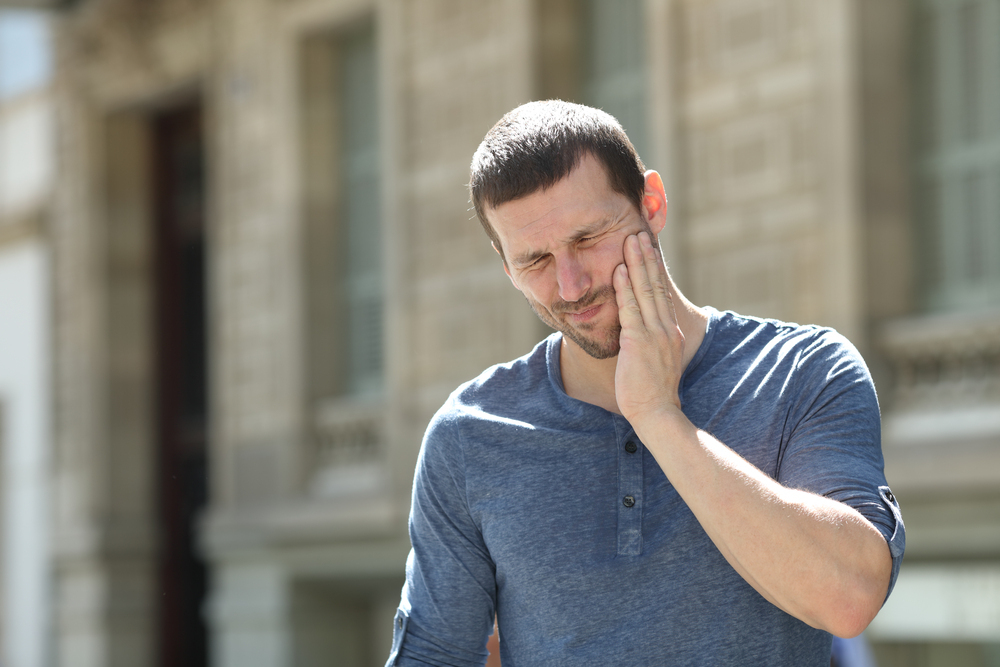
Bad habits and poor posture can also overload the jaw. Resting the chin on your hand, grinding teeth, chewing on one side, eating tough or hard foods, and maintaining a forward head posture (such as when using a smartphone) can all contribute to TMJ issues.
TMJ disorders present differently in each individual. Some may feel pain while others may not notice any issues at all. Accurate diagnosis and personalized treatment are key, and since self-diagnosis is difficult, professional dental consultation is essential.
Because TMJ issues are caused by multiple factors, thorough evaluation is necessary. This includes listening for joint sounds, radiographic imaging, jaw movement tests, and muscle palpation.
Once the TMJ is damaged, it is difficult to restore. That’s why early diagnosis and treatment are crucial to prevent long-term complications and maintain optimal jaw health.
'Health Information' 카테고리의 다른 글
| 젊은층에서도 늘어나는 이명, 원인과 접근 방법은? Tinnitus Among Young Adults (4) | 2025.07.10 |
|---|---|
| 끌림, 습관, 각질… 머리카락이 보내는 탈모 위험 신호 (3) | 2025.07.09 |
| 오십견, 이젠 3040도 방심할 수 없습니다 Frozen Shoulder Isn’t Just for Your 50s Anymore (2) | 2025.07.08 |
| 요즘 다들 레몬에 빠진 이유는? Why Is Everyone Obsessed with Lemons These Days? (14) | 2025.07.07 |
| 쥬베룩과 미라젯을 통한 여드름 흉터 치료 Acne Scar Treatment with Juvelook and Mirajet (2) | 2025.04.03 |


