끌림, 습관, 각질… 머리카락이 보내는 탈모 위험 신호
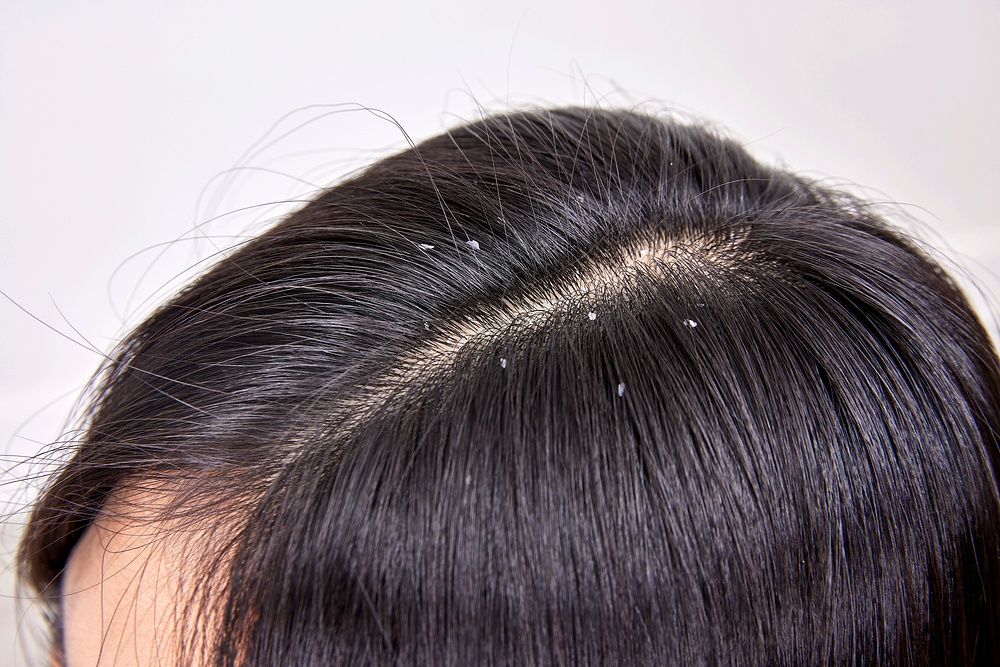
탈모는 나이와 상관없이 누구에게나 큰 고민이 될 수 있습니다. 일시적으로 나타났다 사라지는 경우도 있지만, 장기간 지속되면 회복이 어려운 만성 탈모로 이어지기 쉽습니다. 그렇기 때문에 탈모가 시작되기 전, 초기 징후가 보일 때부터 신경 써주는 것이 매우 중요합니다. 일반적으로 하루에 100개 이상의 머리카락이 빠지거나, 모발이 눈에 띄게 가늘어지고, 이마 선이나 가르마가 점점 넓어진다면 탈모의 가능성을 의심해볼 수 있습니다. 특히 평소와 다르게 비듬이 많아졌다면 탈모의 신호일 수 있어 주의가 필요합니다.
머리를 당겨 생기는 탈모, '견인성 탈모'
견인성 탈모란 머리카락이 지속적으로 당겨지는 자극을 받을 때 발생하는 탈모 유형입니다. 예를 들어 머리를 꽉 묶는 포니테일이나, 잦은 머리 땋기, 붙임 머리와 같은 스타일은 두피에 장력을 유발하여 모근에 부담을 주게 됩니다. 염색이나 펌과 같은 시술도 화학적 자극과 함께 머리카락이 당겨지기 때문에 탈모를 악화시킬 수 있습니다.
이러한 탈모를 예방하기 위해서는 묶는 시간과 푸는 시간을 번갈아가며 유지하는 것이 좋습니다. 예를 들어, 하루는 묶은 스타일을 했다면 다음 날은 풀어주는 식으로 두피에 휴식을 주는 것이 도움이 됩니다. 붙임 머리를 유지할 경우에도 일정 기간 후에는 쉬는 시간을 주는 것이 바람직합니다.
직업 특성상 머리를 매번 묶어야 하는 직종, 예컨대 간호사나 승무원과 같은 경우에는 머리를 묶는 방향을 바꿔주거나 위치를 조금씩 달리해 주는 것이 도움이 됩니다. 또한 머리카락이 지나치게 건조한 상태에서는 손상이 더 쉽게 일어날 수 있으므로, 드라이할 때는 두피로부터 2~3cm 거리를 두고 약한 바람으로 말려주는 습관을 들이는 것이 좋습니다.
무의식의 반복, '발모벽'과 두피 자극
만약 머리카락을 잡아당기거나 두드릴 때 통증이 느껴진다면, 이미 모낭에 손상이 생겼을 가능성이 높습니다. 이럴 경우에는 단순 관리로는 회복이 어렵기 때문에 병원을 찾아 항염 치료 등을 받는 것이 필요합니다. 특히 어린이의 경우에도 이런 증상이 나타날 수 있는데, 이때는 ‘발모벽’이라는 충동 조절 장애가 원인일 수 있습니다. 이는 본인이 의식하지 못한 채 자신의 머리카락을 반복적으로 뽑거나 꼬는 습관을 보이는 것을 말합니다. 손톱을 물어뜯는 것처럼 스트레스 해소 방식의 하나로 나타나기도 하며, 조기에 교정하지 않으면 탈모로 이어질 수 있으므로 빠른 치료가 중요합니다.
축축한 비듬, 남성형 탈모의 신호일 수 있습니다
두피를 긁었을 때 축축한 비듬이 나온다면 남성형 탈모를 의심해볼 수 있습니다. 남성호르몬의 작용으로 생기는 이 탈모는 전체 탈모 환자 중 80~90%를 차지할 정도로 흔하게 나타납니다. 주로 앞머리 라인과 정수리 부위의 모발이 가늘어지고, 점점 숱이 줄어드는 것이 특징입니다.
이러한 변화는 테스토스테론이라는 남성호르몬이 체내에서 대사 작용을 거치며 DHT(디하이드로테스토스테론)로 전환되면서 시작됩니다. DHT는 피지를 과도하게 생성시키고, 모낭을 위축시켜 모발 성장을 방해합니다. 이 과정에서 두피는 기름기가 많아지며, 촉촉한 비듬이 생기기 쉬운 환경이 됩니다. 반면, 피지 분비가 적은 건성 두피에서는 하얗고 가벼운 각질 형태로 비듬이 나타나며, 이는 주로 두피가 건조해져서 생깁니다.
올바른 두피 관리가 탈모 예방의 시작입니다
두피를 깨끗하게 유지하는 습관은 탈모 예방을 위한 기본입니다. 외출 후에는 반드시 샴푸를 통해 두피에 쌓인 노폐물과 피지를 제거해야 합니다. 머리를 감을 때는 너무 뜨겁지 않은 미지근한 물을 사용하는 것이 좋으며, 머리를 말릴 때는 차가운 바람으로 두피까지 충분히 건조시켜주는 것이 중요합니다.
또한 탈모가 생긴 부위를 가리기 위해 모자를 쓰는 경우도 많은데, 모자를 오랜 시간 착용하면 통풍이 되지 않아 두피에 악영향을 줄 수 있습니다. 이럴 땐 모자를 벗은 뒤 손끝으로 가볍게 두피 마사지를 해주면 혈액순환에 도움이 됩니다. 만약 머리카락이 아직 젖은 상태에서 모자를 쓴다면 세균이 번식하기 쉬우므로, 반드시 완전히 건조시킨 후 착용하는 것이 좋습니다.
그러나 탈모가 이미 시작되었다면 위생 관리만으로는 한계가 있습니다. 증상이 지속되거나 악화된다면 전문적인 진료를 통해 적절한 치료를 받는 것이 가장 확실한 방법입니다.

Tension, Habits, and Flakes — Hidden Signs Your Hair is in Trouble
Hair loss is a concern that can affect anyone, regardless of age or gender. While some forms are temporary, others can become chronic and much harder to reverse. That’s why it’s crucial to pay attention to early warning signs and take preventive action. If you notice more than 100 strands of hair falling out per day, or if your hair becomes visibly thinner, your part widens, or your hairline begins to recede, it may indicate the onset of hair loss. Even an increase in dandruff can be an early red flag that something is wrong.
What is Traction Alopecia?
Traction alopecia refers to hair loss caused by repeated tension or pulling on the scalp. Hairstyles like tight ponytails, braids, or hair extensions can all place excessive strain on hair follicles. Chemical treatments such as coloring or perming may also contribute by weakening the hair shaft and making it prone to breakage.
To prevent this, it’s important to alternate between tying your hair up and leaving it down. For example, if you wear your hair up one day, try letting it loose the next. In the case of hair extensions, giving your scalp a break after a month of use can reduce stress on the follicles.
For professionals like flight attendants or nurses who are required to keep their hair tied regularly, switching the direction or height of the ponytail can help minimize tension. Since dry hair is more prone to breakage, it’s also recommended to maintain some moisture and use a hairdryer from a slight distance—about 2–3 cm away—to reduce direct heat damage.
Trichotillomania and Scalp Irritation

If you feel pain when pulling or tapping your scalp, it's a possible sign that your hair follicles have already been damaged. In such cases, topical treatments alone may not be enough, and medical attention might be necessary. Children can also suffer from traction alopecia, often caused by a condition called trichotillomania—a compulsive behavior where individuals pull or twist their own hair. Similar to how some people bite their nails under stress, this habit can result in noticeable hair loss. Fortunately, early intervention tends to be more effective in younger individuals.
Oily Dandruff Could Signal Androgenetic Alopecia
If you scratch your scalp and notice greasy flakes coming off, this could be an early indicator of male pattern baldness. Androgenetic alopecia, caused by male hormones, is the most common type of hair loss, accounting for 80–90% of cases. It typically begins with thinning around the crown and the hairline.
This process is triggered when testosterone is converted into DHT (dihydrotestosterone) in the body. DHT increases sebum production and causes the hair follicles to shrink, which leads to thinner, weaker hair. The excessive oil also creates an environment where oily dandruff thrives. On the other hand, dry dandruff is more likely to occur when the scalp lacks oil, resulting in flaky, white patches that easily fall off.

How to Keep Your Scalp Clean and Healthy
Maintaining a clean scalp is one of the best ways to prevent hair loss. Washing your hair after being outside helps remove excess oil and impurities that may clog the follicles. Use lukewarm water when shampooing, and dry your hair thoroughly with cool air to prevent irritation.
Many people wear hats to hide thinning areas, but prolonged hat use can block air circulation and hinder blood flow to the scalp. If you often wear a hat, be sure to gently massage your scalp afterward to stimulate circulation. Also, never wear a hat over damp hair, as this creates a breeding ground for bacteria. Always ensure your hair is completely dry before putting on headwear.
If you're already experiencing noticeable symptoms of hair loss, personal care routines alone may not be enough. In such cases, it's essential to consult with a specialist and receive appropriate medical treatment to slow or reverse the condition.
'Health Information' 카테고리의 다른 글
| 임플란트 치과를 고를때 What to Check When Choosing a Clinic (5) | 2025.07.11 |
|---|---|
| 젊은층에서도 늘어나는 이명, 원인과 접근 방법은? Tinnitus Among Young Adults (4) | 2025.07.10 |
| 턱관절 장애, 조기 치료가 중요한 이유입니다 🦷 Why Early Treatment of TMJ Disorders Matters (0) | 2025.07.09 |
| 오십견, 이젠 3040도 방심할 수 없습니다 Frozen Shoulder Isn’t Just for Your 50s Anymore (2) | 2025.07.08 |
| 요즘 다들 레몬에 빠진 이유는? Why Is Everyone Obsessed with Lemons These Days? (14) | 2025.07.07 |


