치아를 잃었을 때 가장 많이 찾는 방법
어떤 이유로든 치아가 빠지게 되면, 많은 분들이 가장 먼저 떠올리는 치료가 바로 임플란트입니다. 자연치아와 흡사한 형태와 기능을 가지고 있어 착용감이 좋고, 틀니에 비해 훨씬 더 안정적이라는 장점이 있습니다. 그래서 요즘은 연령대와 상관없이 임플란트를 찾는 분들이 꾸준히 늘고 있습니다. 다만, 수술 결과가 기대에 못 미치는 경우도 있어 사전에 꼭 알아두어야 할 점들이 있습니다. 임플란트를 오래 건강하게 사용하려면 시술 전·후로 무엇을 주의해야 하는지 정확히 알고 계시는 게 중요합니다.
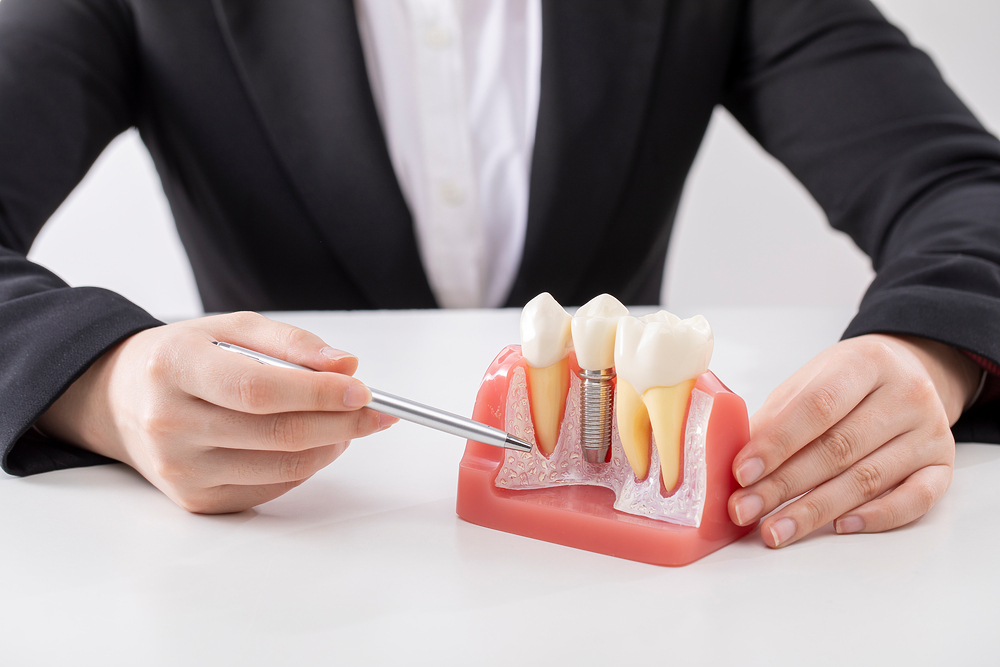
감염, 붓기, 출혈… 대표적인 부작용들
임플란트 시술 중 가장 흔하게 나타나는 문제가 바로 감염입니다. 수술 환경이 비위생적이었거나, 이후 관리가 소홀했다면 세균에 노출되면서 염증이 생길 수 있습니다. 이럴 경우 통증이나 열감, 붓기 등이 나타나며, 심할 경우 임플란트를 제거해야 하는 상황도 생길 수 있습니다. 또 수술 후 부기가 생기기도 하는데, 보통은 며칠이면 가라앉지만 오래 지속된다면 병원에 꼭 방문하셔야 합니다. 피가 멈추지 않고 계속 나는 경우도 간혹 발생하는데요, 이런 경우엔 망설이지 말고 바로 의료진에게 확인을 받는 게 좋습니다.
병원 고를 땐 꼭 이것만은 체크하세요
임플란트를 어디에서 받을지 고민이시라면, 병원 선택부터 꼼꼼히 따져보는 것이 좋습니다. 과대 광고를 하거나 지나치게 저렴한 가격으로 유도하는 곳은 피하셔야 합니다. 특히 상담 전부터 개인정보를 과하게 요구하거나, 선납을 조건으로 큰 폭의 할인을 제안하는 경우엔 더욱 주의하셔야 합니다. 병원 선택은 신중하게, 실제 후기나 의료진의 경력, 그리고 시술 전 설명이 얼마나 자세한지도 꼭 확인해보세요.
시술 전 확인해야 할 체크포인트
임플란트는 아무나 받을 수 있는 시술은 아닙니다. 먼저 잇몸뼈와 주변 조직의 건강 상태를 정확히 진단받아야 하고, 전반적인 건강 상태도 함께 점검해야 합니다. 그 결과에 따라 개인별 맞춤 치료계획을 세우는 것이 중요합니다. 기본적으로 잇몸뼈가 튼튼하고, 전신 건강에 문제가 없으며, 구강 관리를 잘할 수 있는 분에게 임플란트가 적합합니다.
시술 후 관리가 정말 중요합니다
수술이 잘 끝났더라도, 이후 관리가 제대로 되지 않으면 문제가 생길 수 있습니다. 회복 초기에는 격한 운동은 삼가고, 사우나나 찜질방 같은 고온 환경은 피하셔야 합니다. 흡연이나 음주도 염증을 유발할 수 있으니 당분간은 반드시 피해주세요. 약은 정해진 시간에 꼭 복용하고, 얼음찜질을 통해 붓기를 가라앉히는 것도 도움이 됩니다.
구강 습관도 다시 점검해보세요
임플란트를 오래 유지하려면 일상 속 습관도 중요합니다. 치실이나 치간칫솔, 워터픽 등을 활용해서 구강 위생을 철저히 관리해야 하며, 이를 악무는 버릇이나 입술을 자주 깨무는 습관은 반드시 고치셔야 합니다. 음식도 주의가 필요합니다. 너무 딱딱하거나 질긴 음식은 피하시고, 부드럽고 소화 잘 되는 식단 위주로 드시는 걸 추천드립니다.
정기 검진은 필수입니다
시술 후 1년 정도는 특히 주기적인 치과 방문이 중요합니다. 3개월에 한 번 정도는 치과에 들러 상태를 확인받고, 필요시 스케일링도 함께 받는 것이 좋습니다. 이렇게 꾸준한 검진과 관리만 잘 지켜도 임플란트는 오랫동안 문제없이 사용할 수 있습니다.
성공적인 임플란트를 위해 꼭 기억하세요
임플란트는 단순한 치과 치료가 아닙니다. 처음부터 끝까지 꼼꼼하게 준비하고, 이후 관리까지 철저히 해야 오랫동안 불편 없이 사용할 수 있습니다. 위의 내용들을 기억하시고, 믿을 수 있는 병원을 찾아 제대로 된 치료를 받으신다면 더 건강하고 편안한 일상을 유지하실 수 있습니다.
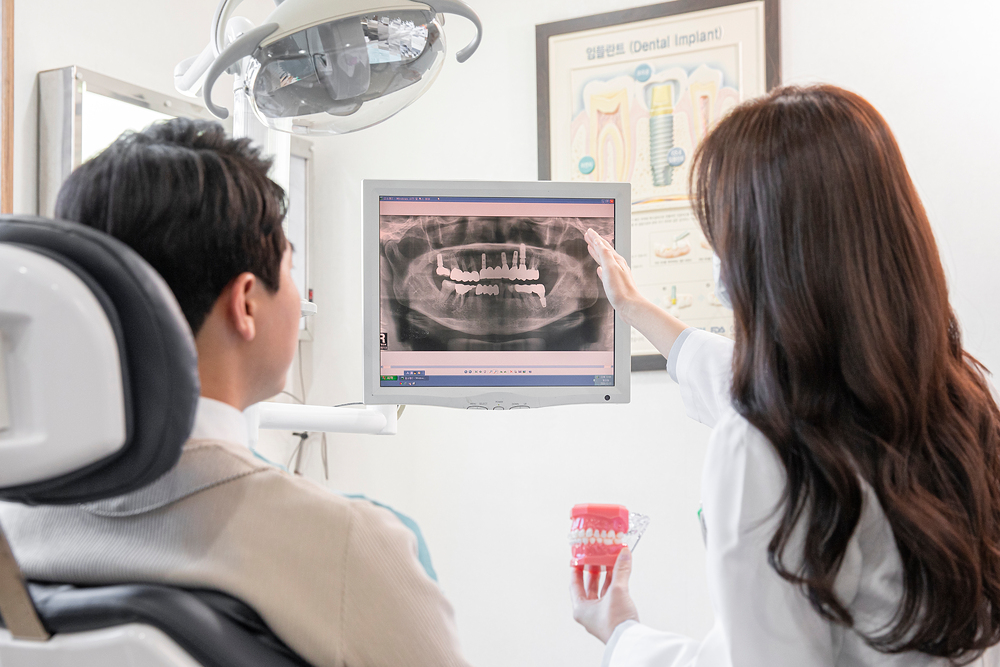
A Common Solution After Tooth Loss
When a tooth is lost, many people consider dental implants as their go-to option. They not only look and function like natural teeth, but also offer more stability and comfort compared to dentures. For this reason, the number of people choosing implants is steadily increasing across all age groups. However, unsatisfactory results can sometimes occur. That’s why understanding what to watch out for before and after surgery is crucial to maintain implants for the long haul.
Infections, Swelling, and Bleeding — Possible Complications
Among the most common side effects of implant surgery is infection. If the surgical environment isn’t sterile or if proper care isn’t taken afterwards, bacteria can enter and cause inflammation. Symptoms like pain, heat, and swelling may occur — and in severe cases, the implant might need to be removed. Swelling is also a typical reaction post-surgery, which usually resolves within a few days. But if it persists, it’s best to consult your dentist. If bleeding continues longer than expected, do not hesitate to get medical help.
What to Check When Choosing a Clinic
Selecting the right clinic is essential. Stay away from places that use exaggerated marketing or offer suspiciously low prices. Be cautious of clinics that ask for unnecessary personal information or insist on prepayment in exchange for discounts. Instead, look for transparent explanations, real patient reviews, and experienced professionals when making your decision.
What to Examine Before the Procedure
Implant surgery isn’t suitable for everyone. It’s important to assess the condition of the jawbone and gums beforehand, as well as the patient’s overall health. Based on this evaluation, a personalized treatment plan should be created. Dental implants are generally best for those with good gum structure, stable health, and the ability to maintain oral hygiene post-surgery.
Aftercare Is Just as Important
Even if the surgery goes smoothly, poor aftercare can lead to complications. During the early healing phase, avoid strenuous activities, saunas, or hot baths. Smoking and alcohol should also be avoided as they can cause inflammation. Make sure to take prescribed medications on time, and use ice packs to reduce swelling when needed.
Rethink Your Oral Habits
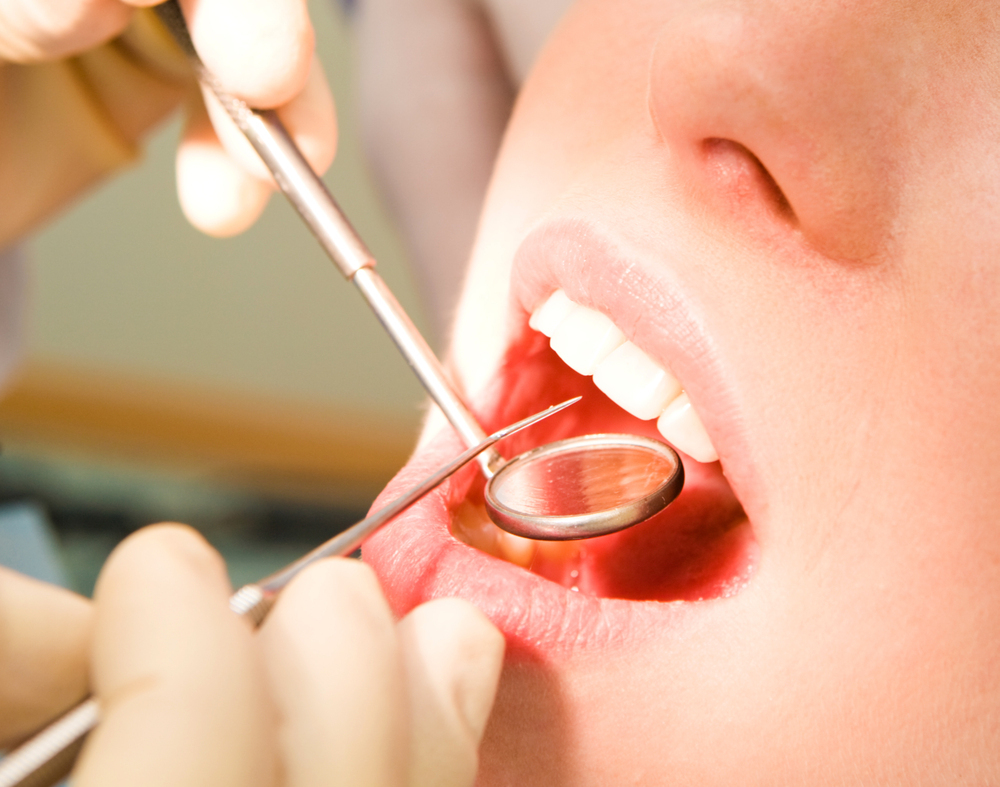
Long- term implant success depends on maintaining proper oral habits. Tools like floss, interdental brushes, and water flossers can help keep your mouth clean. Avoid habits like teeth grinding or biting lips, as these can damage the implants. Also, stay away from sticky or hard foods — instead, go for soft and easy-to-chew meals.
Regular Checkups Are Essential
In the first year after getting implants, regular dental checkups are highly recommended. Visiting your dentist every three months for a routine check and possible scaling helps keep your implants in good shape. Consistent monitoring greatly increases implant longevity.
Final Tips for a Successful Implant Journey
Dental implants aren’t just a one-time treatment — they require careful planning and consistent maintenance. By keeping the above tips in mind and choosing a reputable clinic, you can enjoy long-lasting comfort and better oral health.

'Health Information' 카테고리의 다른 글
| 회전근개파열, 이제는 중장년층만의 질환이 아닙니다 Rotator Cuff Tear: Not Just a Problem for Older Adults Anymore (6) | 2025.07.17 |
|---|---|
| 뇌졸중이란? 가족이 뇌졸중 진단을 받았을 때 대처법과 예방 방법 (2) | 2025.07.16 |
| 젊은층에서도 늘어나는 이명, 원인과 접근 방법은? Tinnitus Among Young Adults (4) | 2025.07.10 |
| 끌림, 습관, 각질… 머리카락이 보내는 탈모 위험 신호 (3) | 2025.07.09 |
| 턱관절 장애, 조기 치료가 중요한 이유입니다 🦷 Why Early Treatment of TMJ Disorders Matters (0) | 2025.07.09 |


